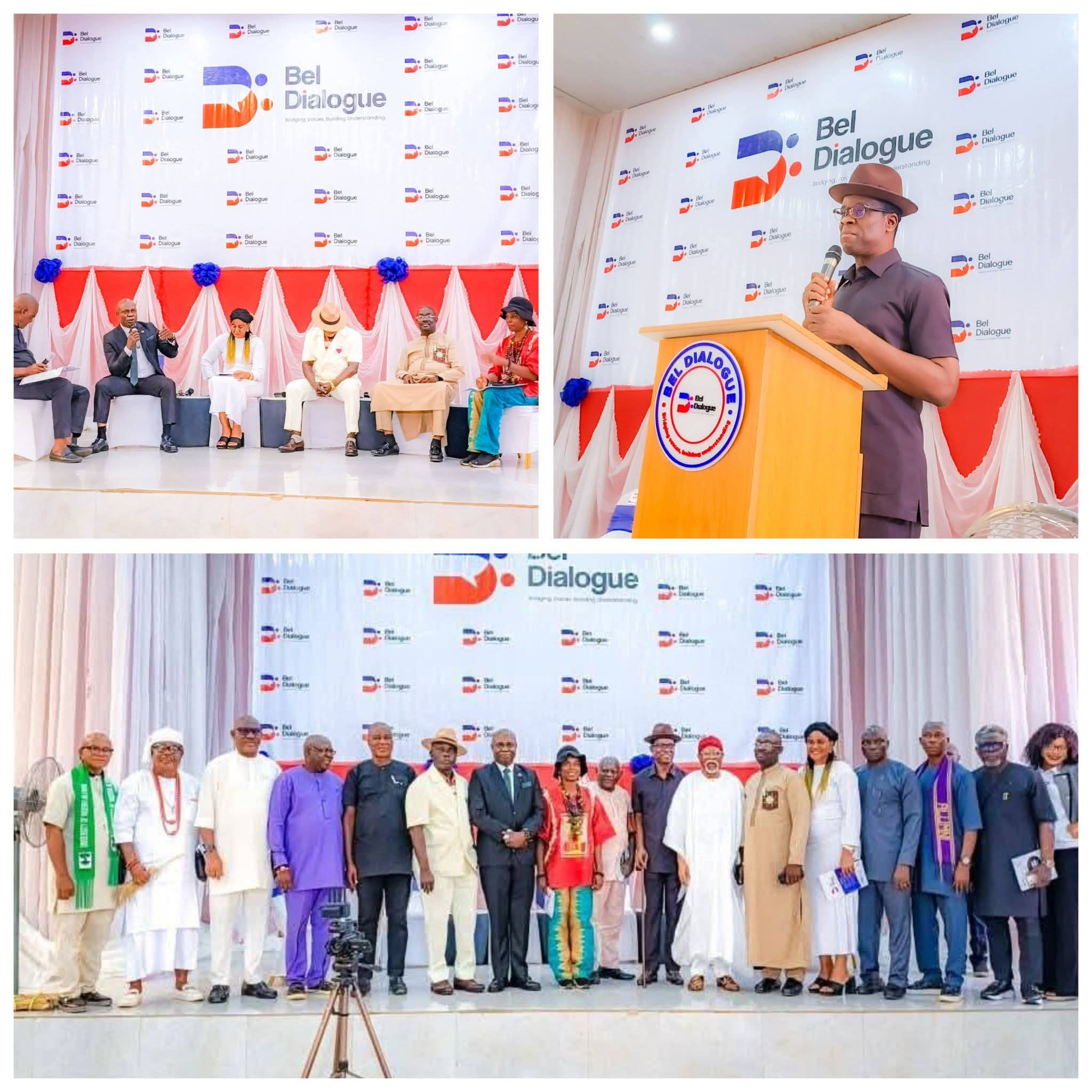
Stakeholders drawn from government, electoral management, academia, civil society, the media and professional bodies have called for far-reaching electoral reforms and stronger democratic institutions as Nigeria prepares for the 2027 general elections. The call was made at the 2026 edition of the BEL Dialogue held in Asaba, Delta State, under the theme, “Democracy That Works: Bridging the Gap Between Votes, Results and Institutional Accountability.”
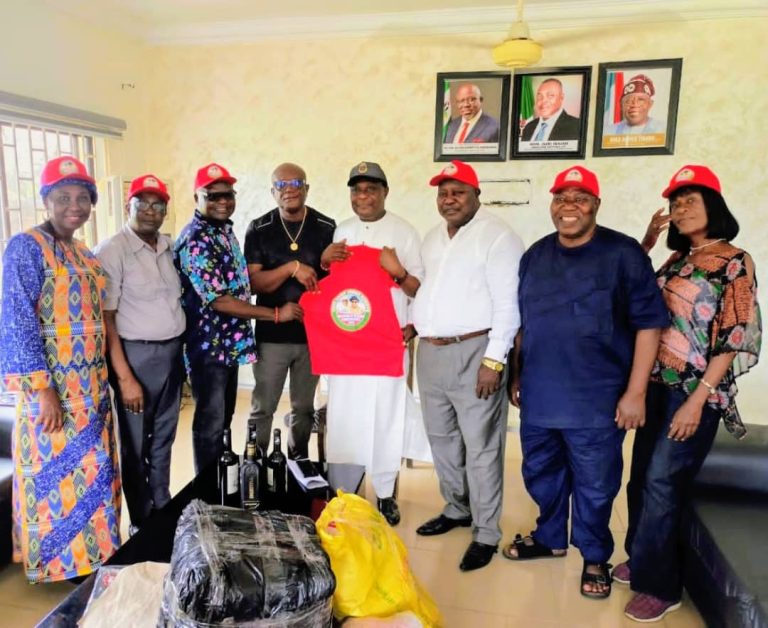
The forum, organised by Bel Media Consult Limited, publishers of Ndokwa Reporters and The Brief, provided a platform for critical conversations on Nigeria’s democratic journey, electoral credibility and the need for institutions that are transparent, independent and accountable. Ahead of the event, the organisers paid a courtesy visit to the Asagba of Asaba, His Royal Majesty Prof. Epiphany Chigbogu Azinge, SAN, who commended the initiative and described the dialogue as timely, especially with political activities gradually building towards the 2027 elections.
Chairman of the occasion and former Resident Electoral Commissioner of the Independent National Electoral Commission (INEC), Hon. Mike Igini, stressed that the credibility of elections depends on the integrity of the electoral process. He maintained that transparent and fair elections naturally earn public confidence, while compromised processes undermine the legitimacy of electoral outcomes. The Special Guest of Honour, Delta State Commissioner for Works (Rural Roads) and Public Information, Hon. Charles Ehiedu Aniagwu, represented by Barr. Timothy Agbaragu, also urged all stakeholders to work collectively to safeguard democracy and strengthen electoral integrity.
Panelists and participants identified several challenges confronting Nigeria’s democracy, including ambiguities in electoral laws, inadequate funding of INEC and security agencies, weak enforcement of sanctions against electoral offenders, voter apathy, poor civic education, corruption and the absence of ideology-driven politics. They advocated reforms that would guarantee free, fair, credible and inclusive elections, with outcomes reflecting the genuine will of voters rather than prolonged post-election litigation.
The stakeholders further recommended clearer electoral laws, sustained civic education, adequate funding for democratic institutions and merit-based appointments into public offices. They emphasized that democratic institutions must remain stronger than the individuals who occupy them and called for politics driven by competence, service and ideology. The event concluded with the presentation of the BEL Dialogue Award for Practical Democracy to former INEC Resident Electoral Commissioner, Hon. Mike Igini, in recognition of his outstanding contributions to electoral integrity, democratic governance and the promotion of credible elections in Nigeria.
About The Author